
Modern challenges are becoming more complex, interconnected, and fast moving than ever before. From technological disruption to climate concerns and economic uncertainty, traditional problem solving methods often fall short. Creative thinking is no longer a soft skill reserved for artists and innovators. It has become a vital ability that helps individuals, businesses, and communities adapt to rapid change and find practical solutions.
The Shift from Routine Thinking to Adaptive Thinking
In the past, success often depended on following proven methods and established systems. Today, those systems evolve quickly, requiring flexible thinking and new perspectives. Creative thinking encourages people to question assumptions, rethink processes, and explore unconventional solutions. Instead of reacting to problems with outdated methods, creative thinkers design approaches that are adaptable and future ready.
Businesses that embrace creative thinking can pivot faster and discover new opportunities in uncertain markets. Leaders who stay informed through small business news often gain insights into emerging trends and innovative strategies that help them stay competitive. These insights inspire fresh ideas and encourage proactive problem solving rather than reactive decision making.
Innovation Begins with Curiosity
Creative thinking begins with curiosity and the willingness to ask better questions. Rather than asking, “How do we fix this problem?” creative thinkers ask, “Why does this problem exist?” and “What if we approached it differently?” This mindset opens the door to innovation and deeper understanding.
For example, industries such as entertainment and media are constantly reinventing themselves to stay relevant. Discussions around celebrity success, branding, and audience engagement often extend beyond fame. Even conversations about a prince net worth can reveal insights into branding, strategic partnerships, and diversified income streams that inspire entrepreneurs and professionals alike.
Creativity in the Digital Age
The digital era has democratized creativity. Today, anyone with a smartphone and an idea can create, publish, and share content with a global audience. Creative thinking helps individuals stand out in an overcrowded digital landscape by encouraging originality and authenticity.
Personal branding is a prime example. Crafting a compelling bio for instagram requires creativity, clarity, and the ability to communicate personality in just a few words. This same ability to distill ideas into impactful messages translates into business marketing, leadership communication, and storytelling.
Creative thinking also drives content innovation, helping brands and individuals connect with audiences in meaningful ways rather than relying on generic messaging.
Technology as a Catalyst for Creative Solutions
Technology has expanded the possibilities for creative problem solving. Advanced tools allow professionals to design, test, and implement solutions faster than ever before. Software platforms, editing tools, and digital utilities enable people to experiment and refine ideas without large budgets.
Tools like ghidralite support technical exploration and software analysis, enabling developers and security professionals to better understand systems and strengthen digital infrastructure. This type of technology driven creativity strengthens cybersecurity, improves system efficiency, and supports innovation in tech driven industries.
Similarly, creative tools such as capcut mod empower content creators to produce visually engaging videos that capture attention and communicate ideas effectively. By lowering barriers to creativity, these tools allow more people to participate in innovation and problem solving.
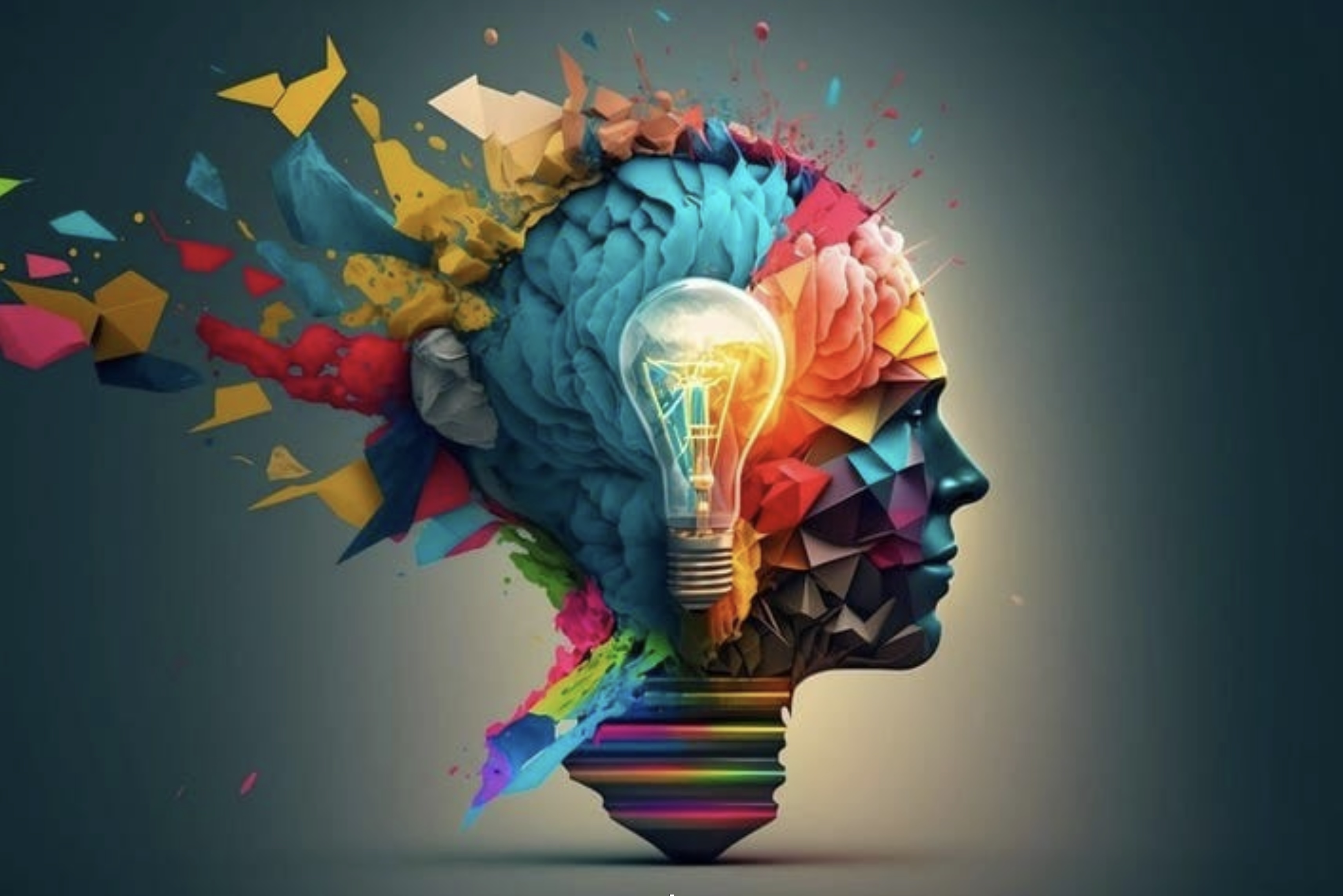
Creative Thinking in Social and Global Challenges
Creative thinking is essential for addressing large scale issues such as environmental sustainability, urban planning, public health, and education reform. These challenges cannot be solved through single discipline solutions. They require collaboration, experimentation, and fresh perspectives.
Creative thinkers often combine insights from science, technology, social sciences, and community experience to develop holistic solutions. Whether designing smarter cities, improving remote education, or promoting sustainable consumption, creativity enables solutions that are both practical and forward looking.
Developing Creative Thinking Skills
Creative thinking is not an innate talent reserved for a few. It is a skill that can be developed through intentional practice. Some effective ways to strengthen creativity include:
- questioning assumptions and exploring alternative viewpoints
- exposing yourself to diverse ideas and disciplines
- allowing time for reflection and brainstorming
- embracing experimentation and learning from failure
- collaborating with people who bring different perspectives
When individuals practice these habits consistently, they become more adaptable and resilient problem solvers.
A Future Powered by Creativity
As the world continues to evolve, creative thinking will remain one of the most valuable skills for navigating uncertainty and driving progress. It empowers individuals to see possibilities where others see obstacles and encourages organizations to innovate rather than stagnate.
From business innovation and digital storytelling to technology development and global problem solving, creativity fuels meaningful change. By embracing creative thinking, we equip ourselves with the tools needed to solve modern challenges and build a more adaptable and resilient future.