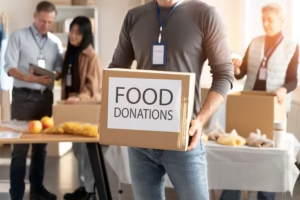
One of the most enduring problems facing the globe today is hunger. Millions of people struggle to find enough to eat, even as vast amounts of food go to waste daily. Food donations serve as a vital bridge between abundance and need, offering a simple yet powerful way for individuals, communities, and businesses to create meaningful change. Every act of giving, no matter how small, contributes to reducing hunger and building a more compassionate society.
The Growing Need For Food Donations
Across cities and rural areas alike, food insecurity affects families who are unable to afford nutritious meals. Rising living costs, unemployment, and unexpected financial hardships have left many households vulnerable. Food donations near me help fill this gap by providing access to essential nutrition that might otherwise be out of reach.
Donated items are essential to the operations of organizations like food banks, shelters, and community kitchens. They distribute meals, groceries, and supplies to those most in need. Without these donations, many of these organizations would struggle to sustain their work. What makes food donation especially powerful is its ability to turn surplus into sustenance. Instead of allowing excess food to spoil, donations transform potential waste into life-changing support for people facing hunger.
How Individuals Make A Difference?
One of the most inspiring aspects of food donation is how accessible it is. Anyone can contribute. Whether it is an individual dropping off canned goods at a local food drive, a family volunteering at a soup kitchen, or neighbors organizing a collection event, every effort counts. The collective impact of these small actions is immense.
When people give food, they are not only providing nourishment but also sending a message of care and unity. In moments of crisis or during the holiday season, communities often come together to help those in need. These shared acts of generosity strengthen social bonds and remind us of our shared responsibility to support one another.
Simple gestures like buying an extra bag of rice or donating unused nonperishable items can feed someone who might otherwise go hungry. The act of giving also cultivates empathy, reminding donors of how deeply connected we all are through the universal need for food.
Businesses And Organizations Joining The Cause
Beyond individual efforts, businesses play a crucial role in supporting food donation programs. Restaurants, grocery stores, and food manufacturers often have surplus inventory that may not be sellable but is still safe and nutritious. By partnering with local food banks, they can redirect this food to people in need.
Corporate social responsibility initiatives have also led many companies to integrate food donations into their community outreach programs. These partnerships help scale up distribution efforts, reaching more families and minimizing waste at the same time. Large retailers often collaborate with nonprofit organizations to manage logistics, ensuring donated goods are stored, transported, and distributed efficiently.
For restaurants and food producers, participating in donation programs not only benefits society but also enhances their brand reputation. Customers increasingly value companies that demonstrate compassion and commitment to social causes. Supporting hunger relief efforts reflects a genuine investment in community well-being.
Combating Food Waste Through Giving
One of the most significant benefits of food donation is its contribution to sustainability. According to global studies, nearly one-third of all food produced goes to waste each year. Food waste in landfills leads to environmental issues including greenhouse gas emissions in addition to wasting precious resources.
Food donations offer a practical solution to this issue. Instead of discarding surplus items, individuals and businesses can reroute them to charitable organizations. This reduces the environmental footprint while simultaneously addressing hunger. It transforms waste management into a cycle of generosity and resourcefulness, proving that sustainable living can align with humanitarian goals.
By participating in donation initiatives, people can make a tangible difference for both the planet and humanity. Choosing to give rather than waste turns every meal into an opportunity for impact.
The Emotional Impact Of Giving
While food donations provide essential physical nourishment, they also deliver emotional comfort and hope. For recipients, receiving a meal can mean more than just filling an empty stomach. It can restore dignity, relieve anxiety, and remind them that they are not forgotten.
Donors often report feeling a deep sense of fulfillment from helping others. Knowing that their contribution has directly improved someone’s quality of life brings lasting satisfaction. These emotional rewards reinforce the cycle of giving, motivating more people to get involved.
Stories of families who once relied on food banks and later became donors themselves are powerful examples of how kindness can come full circle. When generosity spreads, it uplifts entire communities, creating an ongoing ripple effect of compassion.
Building A Future Without Hunger
The fight against hunger requires cooperation, empathy, and action. Food donations are one of the most practical and effective tools available in this effort. They empower individuals, strengthen communities, and reduce waste, all while feeding those who need it most.
Food donations will continue to be crucial in creating a better future as society grows more conscious of the value of sustainability and social responsibility. Governments, nonprofits, and private citizens must continue to work together to ensure that no one goes hungry while food goes unused.
Every can, every bag, and every meal shared brings us closer to that goal. The power of giving lies not only in feeding bodies but also in nourishing hope. Each act of kindness, multiplied by millions, becomes a force strong enough to fight hunger every day.